
The Conflict Over Who Leads
The SwarmJudith Li’s ambition to lead the response collides with Vanderbilt’s suspicion, Peak’s conscience, and Johanson’s demand for a different course.
increasing Bearing strength in each event
 decreasing
Bearing strength in each eventdecreasingA Classified Crisis Center
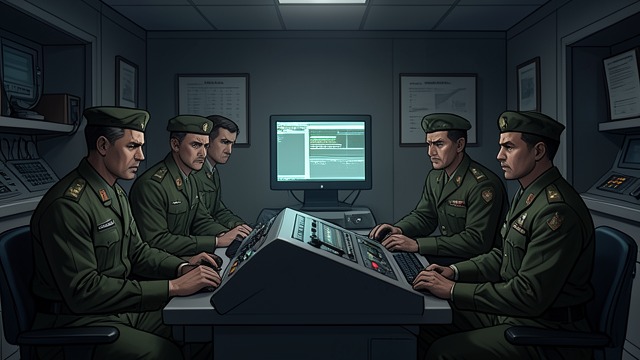
Secrecy as Policy
Centralized authority
Li gathers scientists, military officials, and intelligence agencies inside a closed command structure.
She restricts public disclosure, arguing that secrecy prevents panic and protects the response.
Vanderbilt’s Terrorism Theory

A Familiar Enemy
Intelligence follows old assumptions
Vanderbilt frames the anomalies as a hostile human plot and urges the team to identify who benefits.
His certainty conflicts with evidence that crosses species and national boundaries.
Johanson Challenges the Frame

The Argument Shifts
Beyond terrorism
Johanson argues that a parallel oceanic intelligence better explains the coordinated ecological attacks.
The proposal forces military leaders to reconsider their definitions of enemy and warfare.
Li Chooses an Offensive

Negotiation Loses Ground
Security over caution
Li orders an increasingly forceful approach, including sonar and a secret biological countermeasure.
Her desire to preserve American leadership makes a peaceful resolution less likely.
Peak Refuses the Final Order

A Command Breaks Apart
Conscience against ambition
Peak opposes Li’s use of force and turns his weapon against her at the crisis point.
His resistance briefly delays her, though the vessel’s disaster overtakes them all.
10 May, at Chateau Whistler
the first Chateau briefing
12 May, during the debate
after the first contact attempts
during the Independence evacuation
